AI & Automation
When AI Becomes Your Customer's Front Door: A Product Owner's Guide to OpenAI's Dots
OpenAI's Dots launch signals AI platforms are becoming distribution channels, not just tools. Here's how product owners should decide: build direct, integrate,…
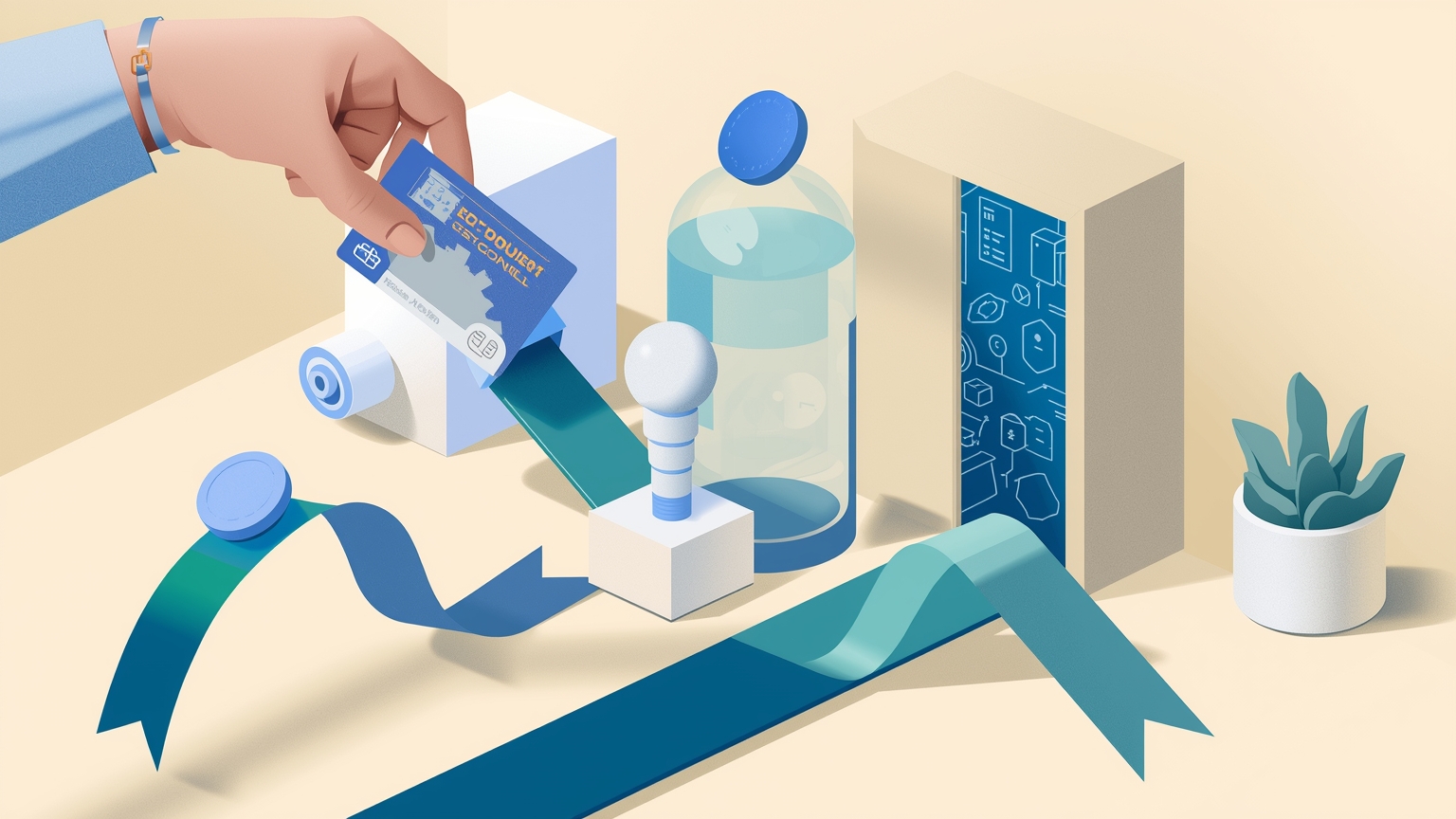
You spent years building your app, your website, your customer funnel. Now someone else's AI assistant might become the front door.
OpenAI just launched Dots—"always-on AI assistants that can do nearly anything across connected apps in the background while learning your preferences over time"—and buried inside that product announcement is a question every product owner needs to answer: who owns your customer relationship going forward? The Verge
This isn't about chatbots answering FAQs. Dots, powered by OpenAI's new GPT-6 Astra model, are designed to act proactively across multiple services, completing complex projects without waiting for you to prompt them each step. OpenAI's own description calls them "a proactive assistant that can keep working across complex projects and everyday tasks." Think less Siri, more persistent digital coworker that happens to route through ChatGPT.
The strategic kicker? TechCrunch's analysis frames this as OpenAI "building out the pieces of an alternative to the traditional app store model, turning ChatGPT into a place where software can be discovered and used by people and AI agents alike."
That's your distribution channel being disintermediated—not by a better app store, but by no app store at all.
The New Middle Layer
Here's what changes practically. Today, a customer finds you through search, downloads your app, creates an account, and you own that relationship: the data, the usage patterns, the direct communication, the upgrade path.
In the scenario Dots enables, that same customer tells their AI assistant: "Plan my trip to Denver, find me a good boutique hotel near the conference venue, and book something with flexible cancellation." The assistant queries multiple services—including yours if you're integrated, someone else's if you're not—and the customer may never visit your site, see your brand, or enter your funnel.
You become a backend utility. Valuable, perhaps. Invisible, definitely.
This isn't hypothetical. OpenAI's DevDay 2026 included more than 20 announcements spanning GPT-6 Astra, ChatGPT updates, Codex, APIs, security tools, and new builder resources. The platform is being constructed in real time.
What This Means for Your Roadmap
The product strategy implications split into four concrete decisions:
Discoverability shifts from human to agent. You've optimized for SEO and app store placement. Now you may need to optimize for AI agent discoverability—structured data, API accessibility, clear intent matching. The customer who asks their Dot for "reliable same-day delivery in Portland" won't scroll through search results. They'll accept what the agent recommends.
Customer data becomes intermediated. When interactions happen through an AI assistant, usage patterns and preference data sit with the platform, not with you. Your ability to personalize, to identify churn risk, to test and learn—all of it degrades unless you architect specifically to recover signal.
Development investment fragments. Maintaining your owned channels while building parallel integrations for AI platforms isn't free. Each platform—ChatGPT, Meta's Muse, whatever Google and Apple build—may require distinct technical work. The "build once, distribute everywhere" promise of the web era is reversing into "build specifically for each intermediary."
First-mover dynamics apply. Brands that establish reliable presence in emerging AI distribution channels may become default recommendations simply by being available and performant when alternatives are scarce. Wait-and-see becomes costly if customer habits form around competitors.
The Strategic Choice
This doesn't mean abandoning your direct channels. If anything, owned relationships become more valuable precisely because they're harder to maintain. But it does mean making an explicit choice rather than drifting into dependency.
The three viable postures:
- Direct-first: Double down on owned experience, accept slower growth, bet that customers will continue seeking out differentiated brands directly.
- Platform-integrated: Build for AI discoverability, accept margin compression and data limitations, capture volume in exchange for relationship depth.
- Hybrid: Maintain direct excellence while selectively integrating where your customers already are, treating AI platforms as acquisition channels with full awareness of the tradeoffs.
There's no universally right answer. A luxury brand with strong identity may suffer more from invisibility than a commodity logistics provider. A startup needing rapid scale may rationally trade data ownership for distribution reach.
What to Do This Quarter
The promotional claims around Dots remain unverified—OpenAI's descriptions are aspirational until independent data on developer economics and actual user adoption emerges. But the strategic direction is clear enough to act on now.
Audit your current distribution assumptions. Map where customers discover you, where they transact, and where the relationship lives. Identify single points of intermediation failure.
Evaluate your technical surface area. Can your core services be invoked by an AI agent through APIs? Is your product data structured so an assistant could reason about it? The gap between "technically possible" and "architecturally ready" is where most businesses will stumble.
Run a small integration experiment. Pick one high-value customer journey and prototype what it would look like through an AI assistant. The learning from a constrained test outweighs any theoretical planning.
Negotiate data recovery explicitly. If you do integrate with AI platforms, architect for what you need back—transaction confirmation, preference signals, feedback loops. Don't assume the platform will volunteer it.
Revisit this quarterly. The platform landscape at DevDay 2026 will look different by mid-2027. Build optionality into your technical and commercial commitments.
The Bottom Line
AI platforms aren't just new channels. They're alternative governance structures for customer relationships, with their own rules, their own data economics, and their own winners. Dots makes that explicit by aiming squarely at the app store model that has defined mobile distribution for fifteen years.
Your product strategy needs to account for a world where your best customer might never touch your interface. The businesses that thrive will be the ones that chose their posture deliberately—rather than waking up to find someone else's AI assistant sitting between them and the people they serve.